The need
Teams kept asking how to use AI coding assistants well, safely and without wasting money. Driving the AI transformation agenda is part of my role at bol, so I wrote the training myself and ran it.
The workshop
Forty-two tips in five parts. Each one is short, practical and comes from daily use.
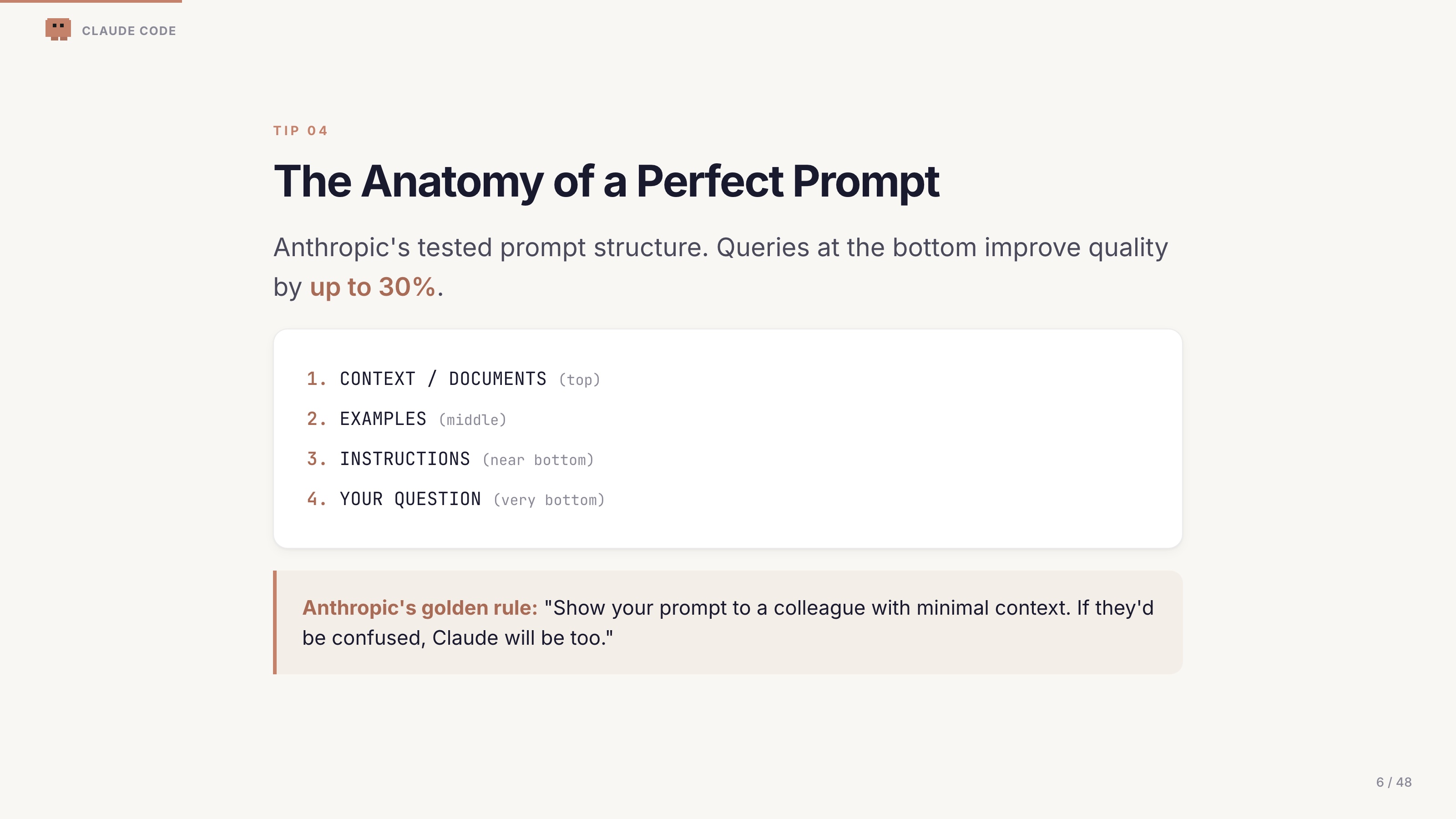
- The prompts. "Fix the bug" is not a prompt. Delegate instead of dictating, say why and not only what, and give three to five examples instead of thirty lines of rules.
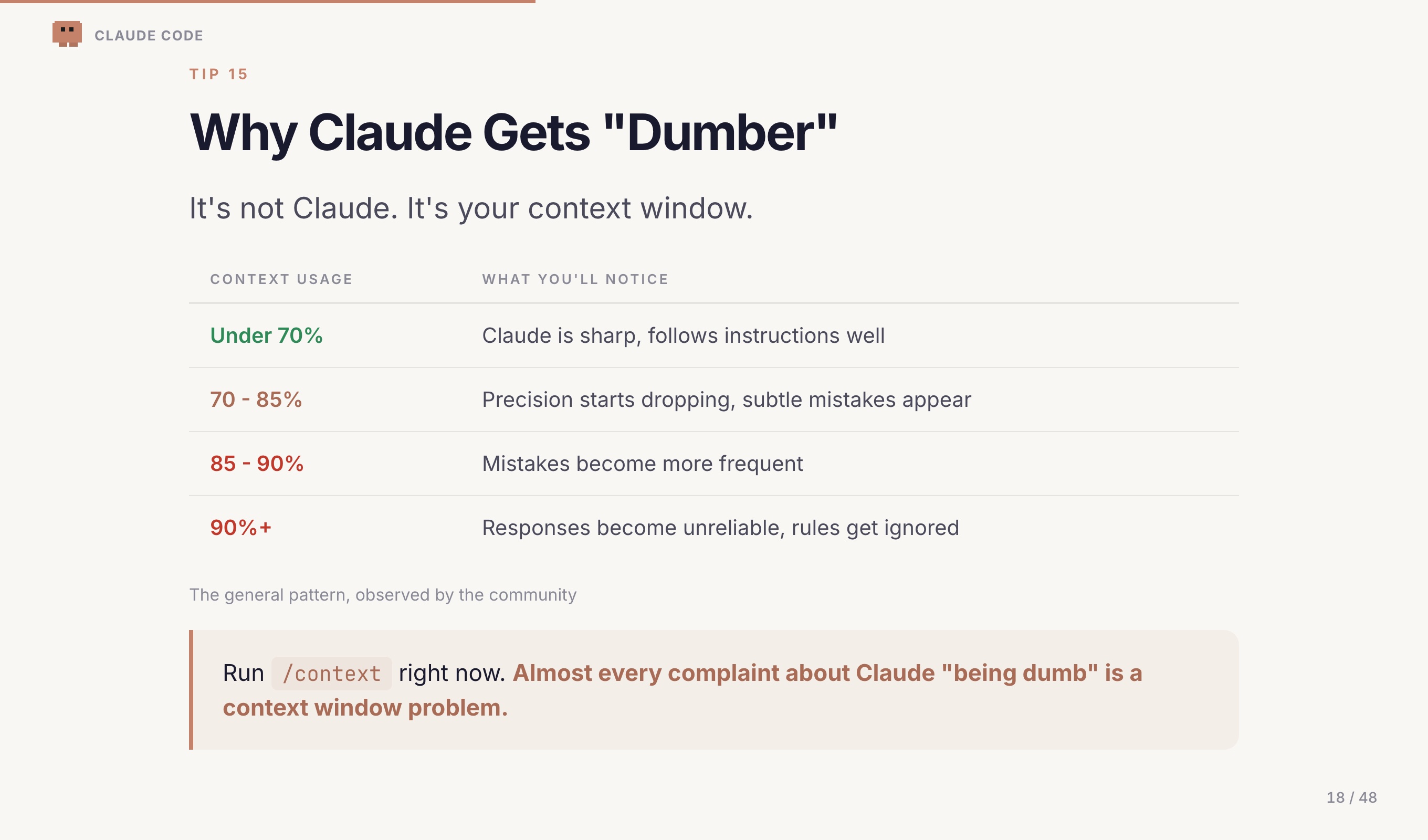
- The context window. Why the assistant seems to get worse over a long session, and what to do about it: one task per session, and subagents for work you can throw away.
- Setting up for success. Writing project instructions that stick, staying inside the instruction budget, and using hooks for the rules that must never be skipped.
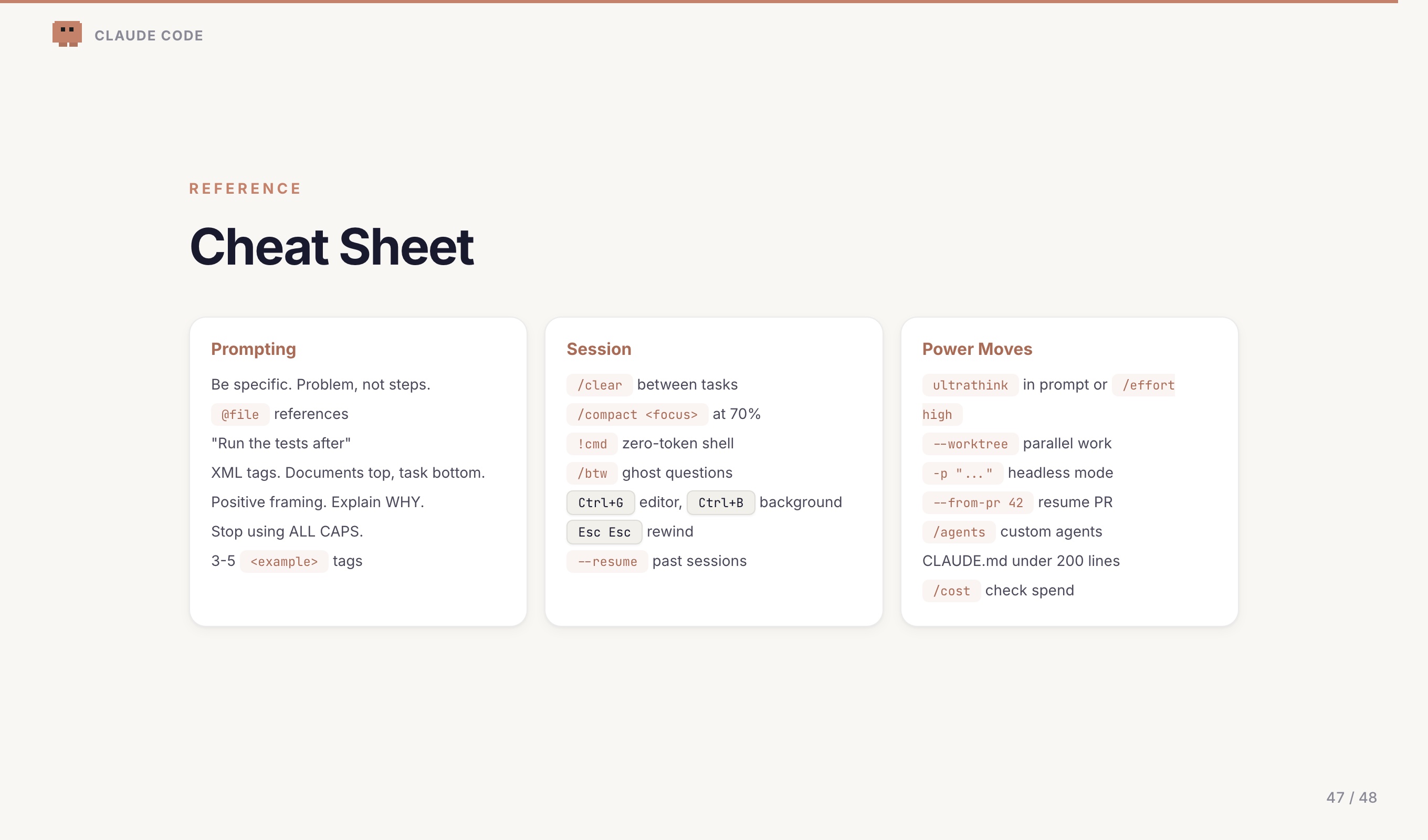
- Advanced moves. Connecting tools, building specialist agents, parallel worktrees, running headless in a pipeline, and the habits that separate a $5 day from a $40 day.
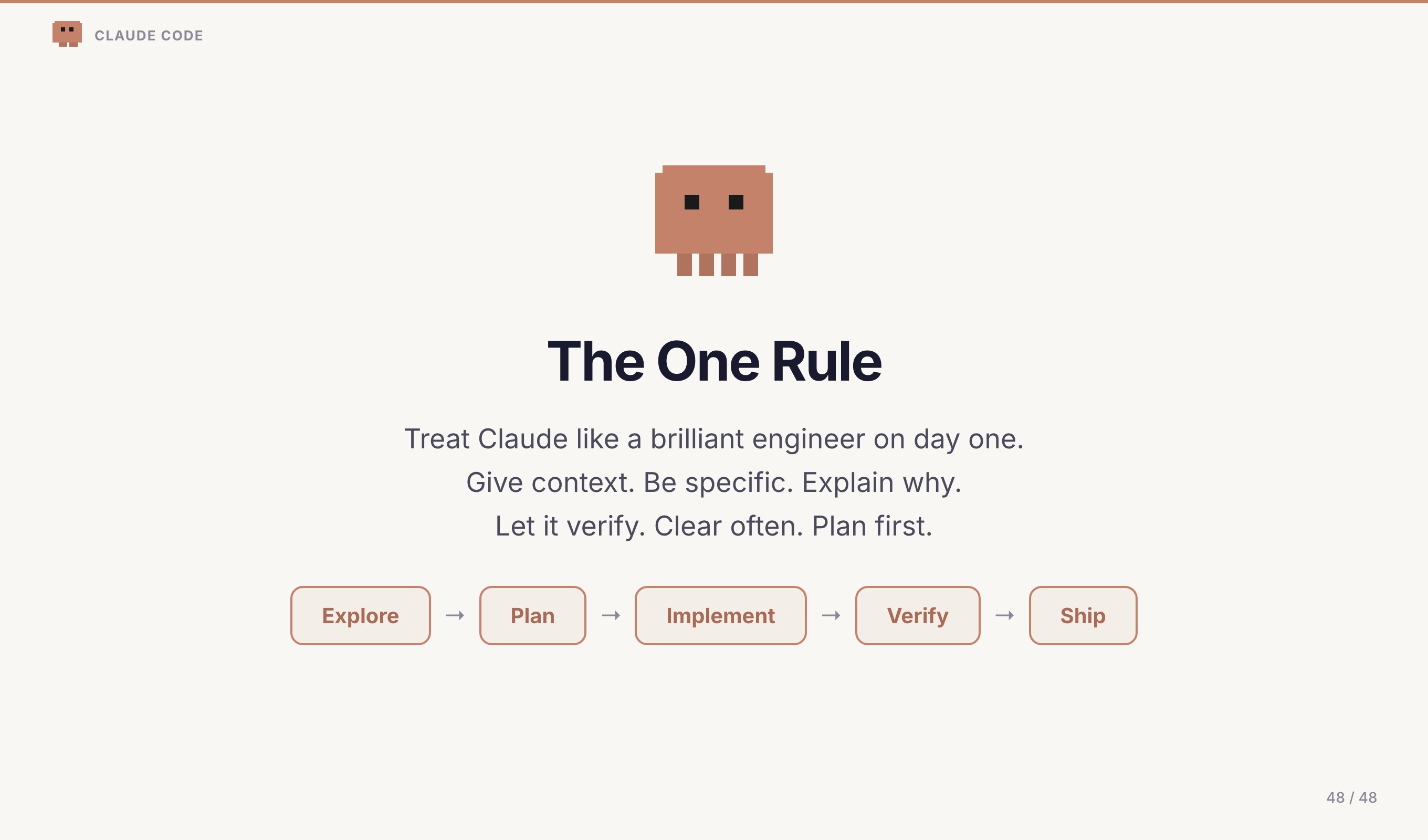
- The complete workflow. Explore, plan, implement and verify, then commit and open the pull request.
Where I have run it
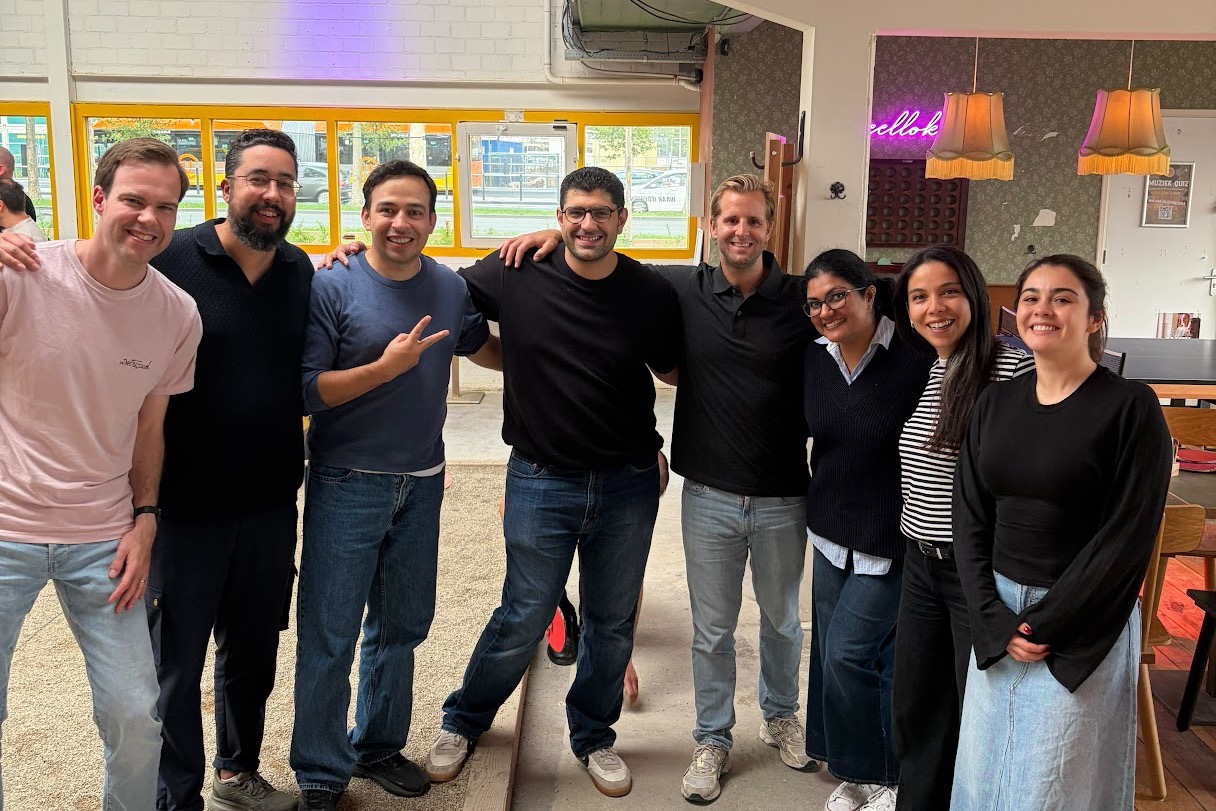
bol. Two sessions, twelve participants, for the teams I lead. Every engineer now uses an AI coding assistant, and AI-assisted workflows are part of day-to-day development. One project estimated at two months was finished in a single sprint.
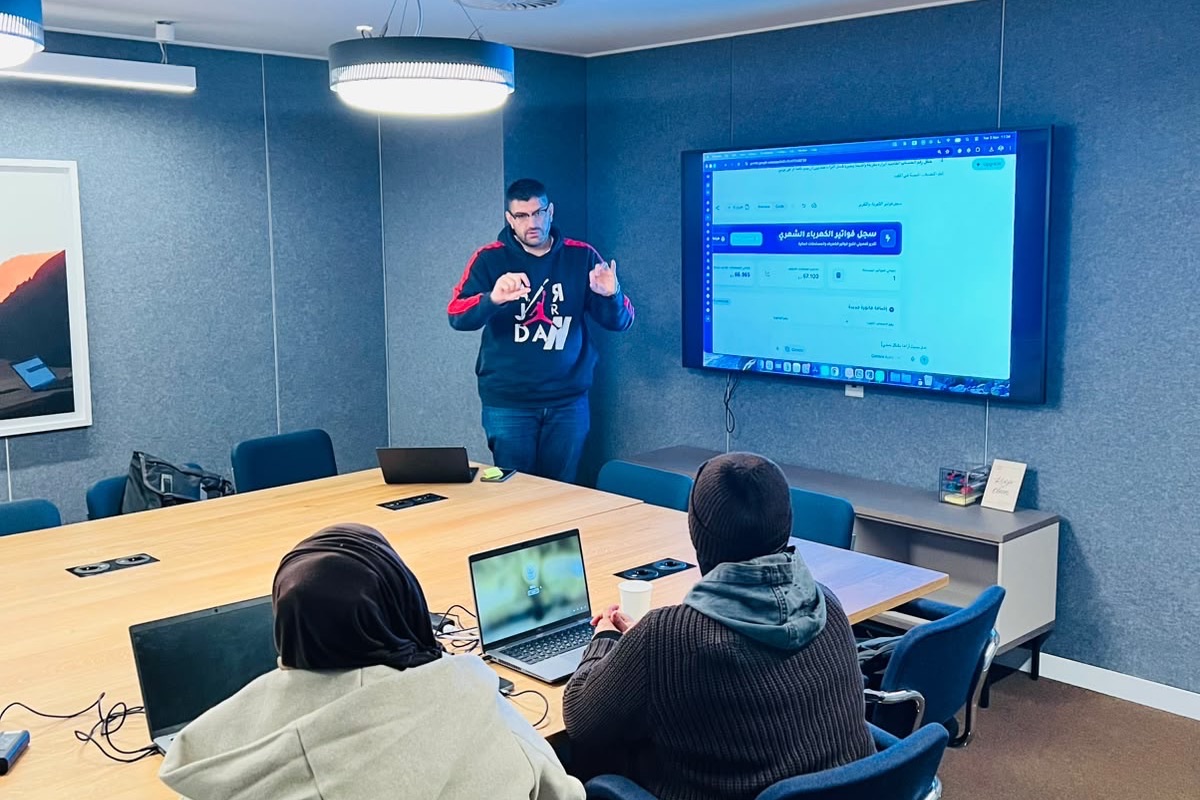
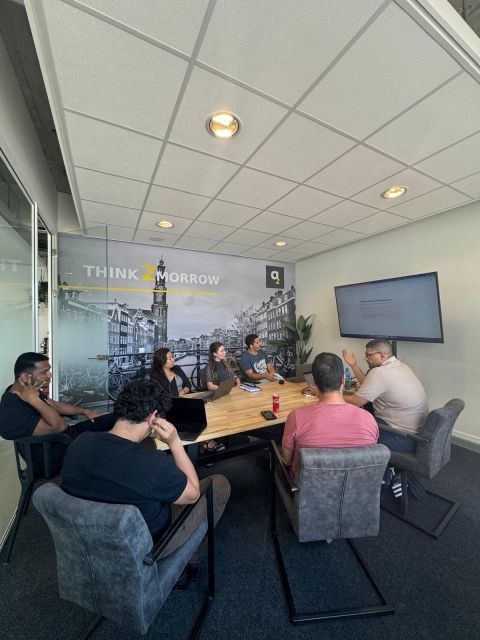
agap2. The same workshop for eight agap2 engineers, around one table with the deck on the screen and laptops open.
The one rule
Everything in the workshop comes back to one idea: treat the assistant like a brilliant engineer on day one. Give context. Be specific. Explain why. Let it verify. Clear often. Plan first.